A strikingly orange frog that fits on a pencil tip lives among the clouds in Brazil. Scientists encountered the newly named species, Brachycephalus lulai, in the cloud forests that cloak the Serra do Quiriri mountain range in the south of the country. B. lulai only measures up to a little over a half-inch long—female individuals are longer than males—making it among the tiniest four-legged creatures on the planet. The species was named after Luiz Inácio Lula da Silva, Brazil’s current president.
The international team of scientists spent years tracking down wee amphibians in the Brachycephalus genus, which live in a limited range among leaf litter in the Brazilian Atlantic Forest. Their colors vary from neon orange to more muted, green-tinged hues.

The researchers said they found this petite species thanks to its distinctive mating call, groups of two brief pulses of sound that differ from the songs of other local members of the genus. After analyzing the frog’s skeletal structure and DNA to confirm it is an undiscovered species, the researchers identified B. lulai’s closest relatives as two species that also live in the Serra do Quiriri. The frog findings were published in PLOS One.
The team proposes that B. lulai be considered a species of Least Concern of extinction, due to a lack of serious threats to the frog and the current health of its environment. And as the local climate continues to grow wetter and cloud forests grow, they noted in the paper, so do the homes of Brachycephalus species. But some members of the genus do have particularly tiny ranges and face the risk of extinction. The authors hope to promote conservation efforts to ensure the survival of B. lulai and its petite relatives.
Read more: “The Queer Lives of Frogs”
“We seek to encourage the expansion of conservation initiatives focused on the Atlantic Forest as a whole, and on Brazil’s highly endemic miniaturized frogs in particular,” they wrote in the paper.
To this end, they said they hope to create a wildlife refuge in the Serra do Quiriri area to protect B. lulai and its relatives, and ensure that the unique ecosystem is regularly monitored—helping these mini frogs continue to thrive among the clouds.
Enjoying Nautilus? Subscribe to our free newsletter.
This story was originally featured on Nautilus.
latest_posts
- 1
 I'm a woman who's into weightlifting. Was I man enough for the creatine-packed 'Man Cereal'?
 - 2Allow Innovative Progressions To have a Massive Effect
- 3Benedict Cumberbatch takes on something even Sherlock can’t solve: male grief
- 4Hezbollah field commander killed in IDF strikes in Beirut
- 5Want to make America healthy again? Stop fueling climate change




- Tzrifin base exhibition reveals Hamas and Hezbollah arms, showing structure behind attacks
- Kelsey Grammer on having a new baby at 70: 'You're just more available now'
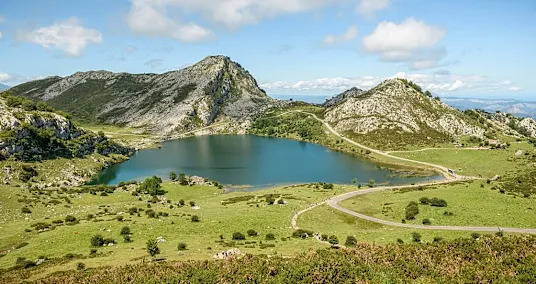
- Spain’s Picos de Europa: What to see and do in ‘the world’s most beautiful place’
- German petrol stations hike prices as once-a-day rule takes effect
- Vehicle Lovers' Decision: Purchase A Reasonable Vehicle
- Figure out How to Explore Land Close to 5G Pinnacles
- More people are addicted to marijuana, but fewer of them are seeking help, experts say
- The most effective method to Shake Hands During a Pandemic: Wellbeing Tips and Behavior
- Find Unexpected, yet invaluable treasure Excursion Rentals